

Awareness, Gender Based Violence, In the Media
NCPD CONDEMNS ASSAULT OF LEARNER WITH DISABILITY AND CALLS FOR ACCOUNTABILITY
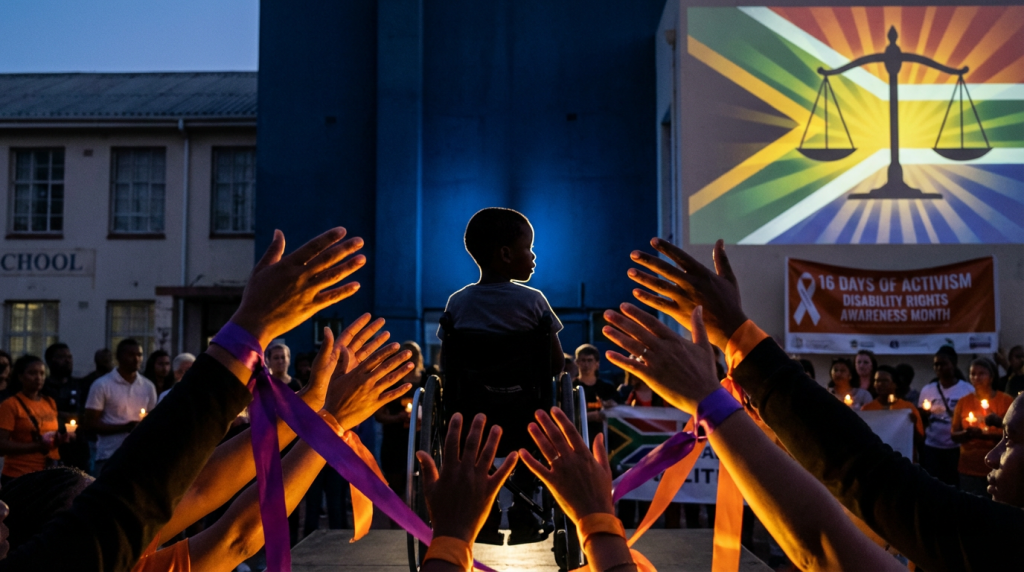
Nov
The National Council of and for Persons with Disabilities (NCPD) has expressed profound outrage following reports that a school principal in Limpopo allegedly assaulted a Grade 6 pupil with a disability for failing to pay R2 for Casual Day participation.
The incident, reported on 21 November 2024, just days before the commencement of the 16 Days of Activism Against Gender-Based Violence, has sent shockwaves through the disability sector and broader South African society.
According to the Daily Sun report published on 21 November 2024, the principal allegedly assaulted the vulnerable learner over a mere R2 contribution, raising serious questions about the treatment of children with disabilities in our schools and the misuse of fundraising initiatives meant to support disability causes.
Condemnation and Call for Justice
Therina Wentzel, Chairperson of the NCPD, condemned the incident in the strongest possible terms.
“We are utterly appalled by this despicable act of violence against a defenceless child with a disability. That any educator, let alone a school principal entrusted with the care and development of our children, could allegedly assault a learner over R2 is beyond comprehension,” said Wentzel.
“This incident represents everything we stand against as a nation committed to protecting the rights and dignity of persons with disabilities. We demand a swift and thorough investigation by the Department of Basic Education and the South African Police Service, and we call for those responsible to face the full consequences of their actions under the law.”
The NCPD has called upon the relevant authorities to ensure that criminal charges are pursued and that the principal faces professional sanctions, including potential dismissal and deregistration with the South African Council for Educators.
Violence During Critical Awareness Periods
That this incident has emerged just days before the 16 Days of Activism Against Gender-Based Violence (25 November to 10 December) makes it particularly egregious. The annual campaign is a period when South Africa reflects on its collective responsibility to protect the vulnerable and eradicate all forms of violence.
Persons with disabilities face disproportionate levels of violence and abuse. According to research from the South African Medical Research Council, women with disabilities are three times more likely to experience sexual violence than women without disabilities. The Department of Women, Youth and Persons with Disabilities has documented that persons with disabilities face heightened risks of physical, emotional and sexual abuse, often perpetrated by those in positions of authority and trust.
“That this assault allegedly occurred in an educational setting, a place where children should feel safe and nurtured, makes it even more intolerable,” Wentzel emphasised. “Schools must be sanctuaries of learning and development, not sites of trauma and violence.”
Disability Rights Awareness Month
The incident also occurred during Disability Rights Awareness Month, observed annually in South Africa from 3 November to 3 December. This year’s theme, “Building an Inclusive Society for Persons with Disabilities”, calls upon every sector of society to actively participate in creating environments where persons with disabilities can thrive with dignity and equal opportunity.
South Africa is a signatory to the United Nations Convention on the Rights of Persons with Disabilities (UNCRPD), which obligates the nation to protect persons with disabilities from all forms of exploitation, violence and abuse. The South African Constitution enshrines equality and dignity as founding values, whilst the Promotion of Equality and Prevention of Unfair Discrimination Act (PEPUDA) explicitly prohibits discrimination based on disability.
The Children’s Act 38 of 2005 mandates that every child has the right to be protected from maltreatment, neglect, abuse and degradation. The South African Schools Act 84 of 1996 requires schools to uphold the rights and dignity of all learners. Those who violate these protections face criminal prosecution under common law assault provisions, potential civil liability and professional sanctions.
Casual Day: A Legitimate NCPD Initiative
The incident has also drawn attention to the integrity and proper administration of Casual Day, the flagship fundraising initiative of the NCPD.
“Casual Day is a proprietary project of the NCPD, established to raise awareness and generate vital resources for disability organisations across South Africa,” explained Wentzel. “Since its inception, Casual Day has mobilised millions of rand to support persons with disabilities through assistive devices, educational programmes, skills development and advocacy initiatives.”
Wentzel emphasised that Casual Day operates under strict governance and accountability standards, ensuring that funds raised reach legitimate disability organisations that meet verified criteria and demonstrate genuine impact in their communities.
“Only schools, organisations and companies that have officially registered with NCPD to participate in Casual Day are authorised to fundraise under this banner. Participants receive official Casual Day merchandise, and all contributions are properly receipted and allocated through transparent processes,” she said.
Warning Against Copycat Initiatives
The NCPD has become increasingly concerned about copycat initiatives that exploit the goodwill associated with disability causes, whilst offering no accountability for how funds are used.
“We urge schools, companies, organisations and the public to participate only in the official NCPD Casual Day campaign,” Wentzel stressed. “Verify the legitimacy of any disability fundraising initiative before contributing, and ensure your generosity reaches those who genuinely need support. We cannot allow unscrupulous individuals to rip people off whilst claiming to support disability causes.”
Institutions wishing to participate in authentic disability initiatives are encouraged to contact NCPD directly to discuss partnerships across various programmes, including:
- Casual Day participation and official registration
- Disability awareness training and workshops
- Accessibility audits and inclusive practice development
- Employment equity and workplace accommodation guidance
- Community outreach and advocacy campaigns
- Research and policy development collaborations
“The assault of this child is not an isolated incident but a symptom of deep-seated ableism and disregard for the rights of persons with disabilities,” Wentzel concluded. “During Disability Rights Awareness Month and ahead of the 16 Days of Activism, we must recommit ourselves to building a society where every person, regardless of ability, is treated with dignity, respect and compassion. We stand with this child and their family, and we will continue to advocate tirelessly until justice is served and meaningful systemic change is achieved.”