

Media Releases, Youth
“Inclusion is Not a Speech, It is Design”
Apr
Minister Manamela Demands Radical Overhaul for Disability Access in Higher Education
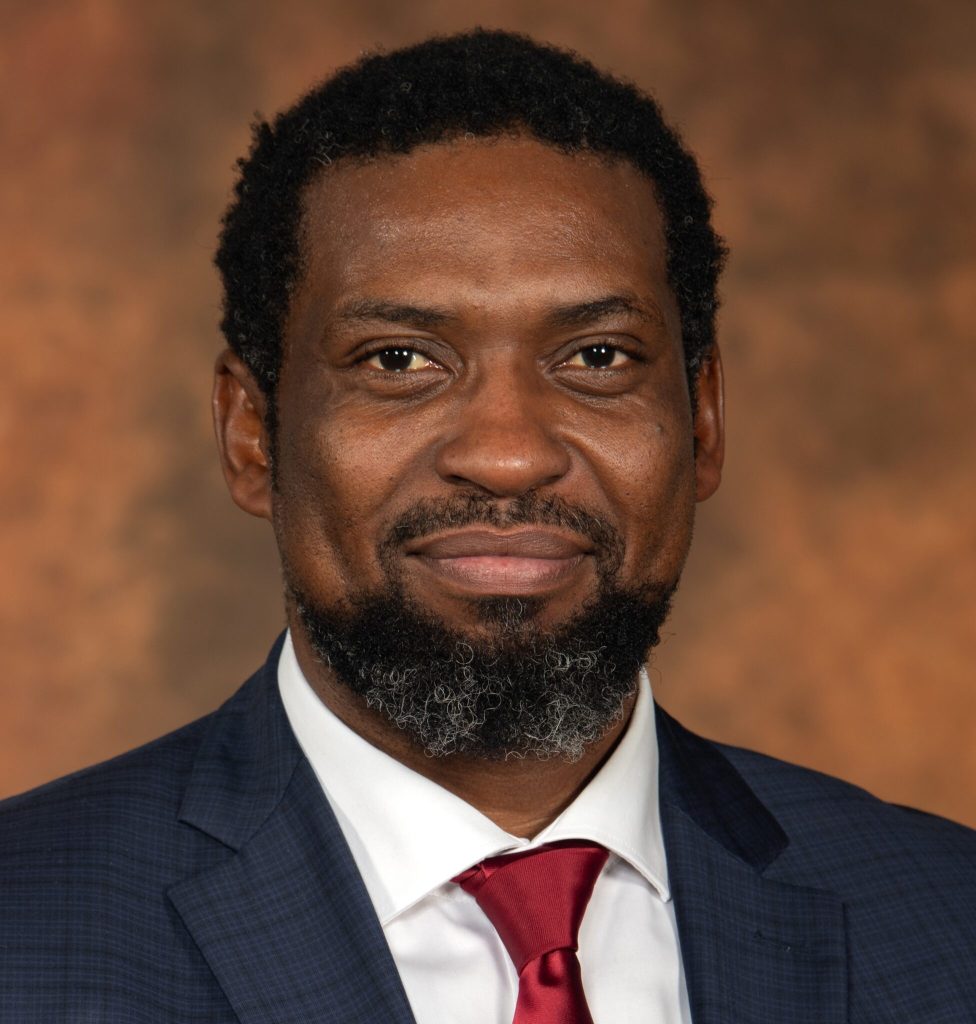
PRETORIA, 15 April 2026 – Higher Education Minister Buti Manamela has issued a provocative challenge to African academic institutions, calling for an end to “symbolic gestures” and demanding a fundamental redesign of the university experience to accommodate students with disabilities.
Speaking at the Times Higher Education Africa Universities Summit in Nairobi, the Minister revealed a sobering reality: as of 2023, students with disabilities represent a mere 1.3% of total enrolments in South African public universities.
Minister Manamela argued that true equality cannot be achieved through secondary adjustments or “afterthoughts.” To bridge the gap, he outlined four critical pillars for institutional transformation:
- Infrastructure: Moving beyond ramps to create fully navigable, universal-access campuses.
- Digital Design: Ensuring online learning platforms are born accessible, not retrofitted.
- Curriculum Adaptation: Revolutionising teaching and assessment methods to suit diverse learning needs.
- Staff Training: Equipping faculty with the pedagogical tools to support every student.
“Inclusion is not a speech,” the Minister stated. “It is design. We must move toward a system where inclusion means power and access leads to guaranteed success.”
A central theme of the address was the urgent need for transparency and accountability. The Minister urged universities to stop relying on vague narratives and start publishing disaggregated data. By tracking retention rates, completion times, and post-graduation employment outcomes specifically for students with disabilities, the sector can shift from “box-ticking” to genuine social transformation.
Our conviction in this approach is bolstered by our joint facilitation of the Disability-20 (D20) process throughout 2025. This rigorous undertaking served as a global nexus for advocacy, culminating in a landmark conference that drew significant participation from across the African continent and abroad. Having engaged directly with over 1,700 persons with disabilities through specialised workstreams, the Ministry is now equipped with the granular insights necessary to drive this systemic change.
Drawing a parallel to the successful policy shifts that widened access for women in South Africa, Manamela noted that the disability sector has been left behind. He reminded the summit that the “higher education question is inseparable from the social question,” asserting that a university’s prestige should be measured by its inclusivity, not its exclusivity.