

Casual Day, Impact, Inclusive Education
NCPD AND SABC PARTNERSHIP OPENS SCHOOL DOORS FOR CHILDREN WITH DISABILITIES
Apr
17 learners placed at Hope School and more at Adelaide Tambo School; more await assessment as quiet, persistent advocacy changes lives one family at a time
JOHANNESBURG — For many parents of children with physical disabilities in South Africa, the start of a new school year brings not excitement, but dread. The phone calls go unanswered. The district offices give no clear direction. And their children — bright, capable, full of potential — stay home again, another year passing them by.
That is the reality the National Council of and for Persons with Disabilities (NCPD) has been working to dismantle. And the numbers are starting to show what persistence looks like in practice.
Through a sustained advocacy partnership with the SABC, Dylan Mashele—NCPD’s PR and Communications Manager—has been doing the kind of work that does not always make headlines but makes all the difference: visiting schools, going to children’s homes, and sitting with families who had been turned away so many times they had stopped asking. The SABC’s involvement amplified those stories and turned awareness into accountability.
The results are now visible, with children sitting in classrooms built for them.
Hope School, a dedicated institution for learners with physical disabilities offering quality education from Grade R to Grade 12 under the CAPS curriculum, has confirmed 17 new learner placements for the current intake. A further 6 children are currently undergoing assessments, after which they will be placed in appropriate grades. Adelaide Tambo School in White City, Jabavu, Soweto — which provides education to learners with physical and learning disabilities from Grade 1 to Grade 12 — has also absorbed learners as a direct result of this campaign.
Both schools are Casual Day beneficiaries. The funds raised by South Africans participating in Casual Day each September flow directly back into institutions like these—paying for resources, support staff, and the operational costs that keep these schools open and accessible.
“The involvement of the SABC has played a huge role in making this possible,” says Mashele. “I continue to receive calls from many parents I previously engaged with, expressing deep appreciation for the opportunity to be introduced to NCPD projects. Their gratitude is truly heart-warming. This achievement belongs to all of us—it would not have been possible alone.”
Principal of Hope School, Mr. Wilfred Jacobs, welcomed the progress. “Through the continued collaboration between the school and the Department of Education, we are pleased to share that we have successfully secured 17 new learner placements for the current intake,” he said. “We still have space available in most grades and welcome applications for all grades except Grade 8, Grade 11, and Grade 12, which are currently full.” Hostel facilities are available for families who need accommodation, ensuring that learners from across different areas can access the specialised education and support they deserve.
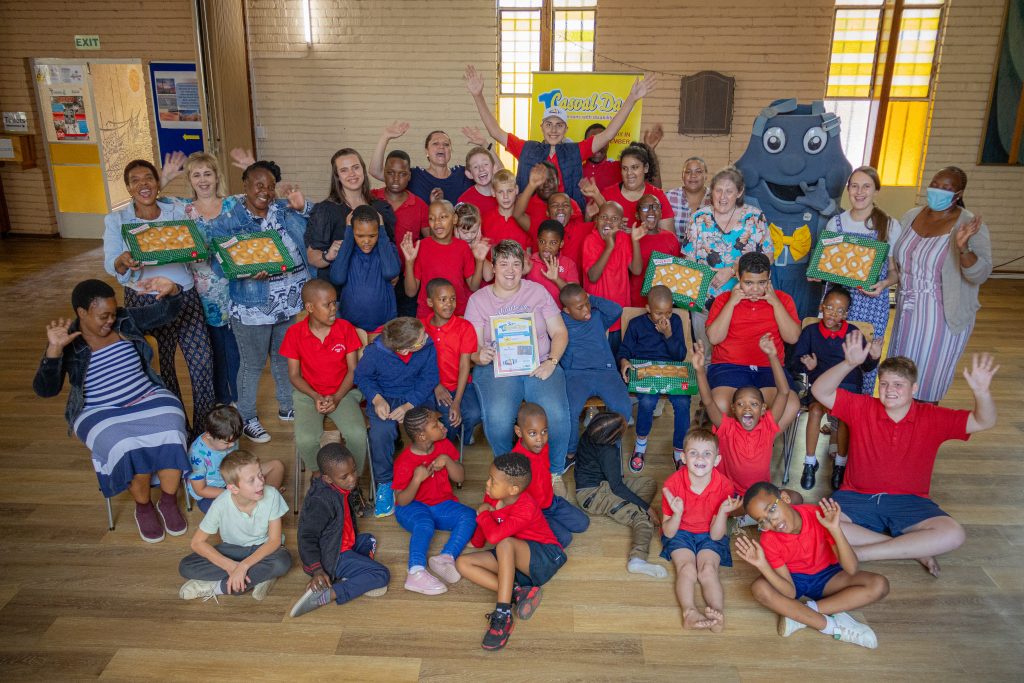
Story Picture Caption: The NCPD is active in education advocacy to make sure that no learner is left behind. Learners from Wings for Life School(story image) are participants of the Casual Day initiative