

Awareness, Events
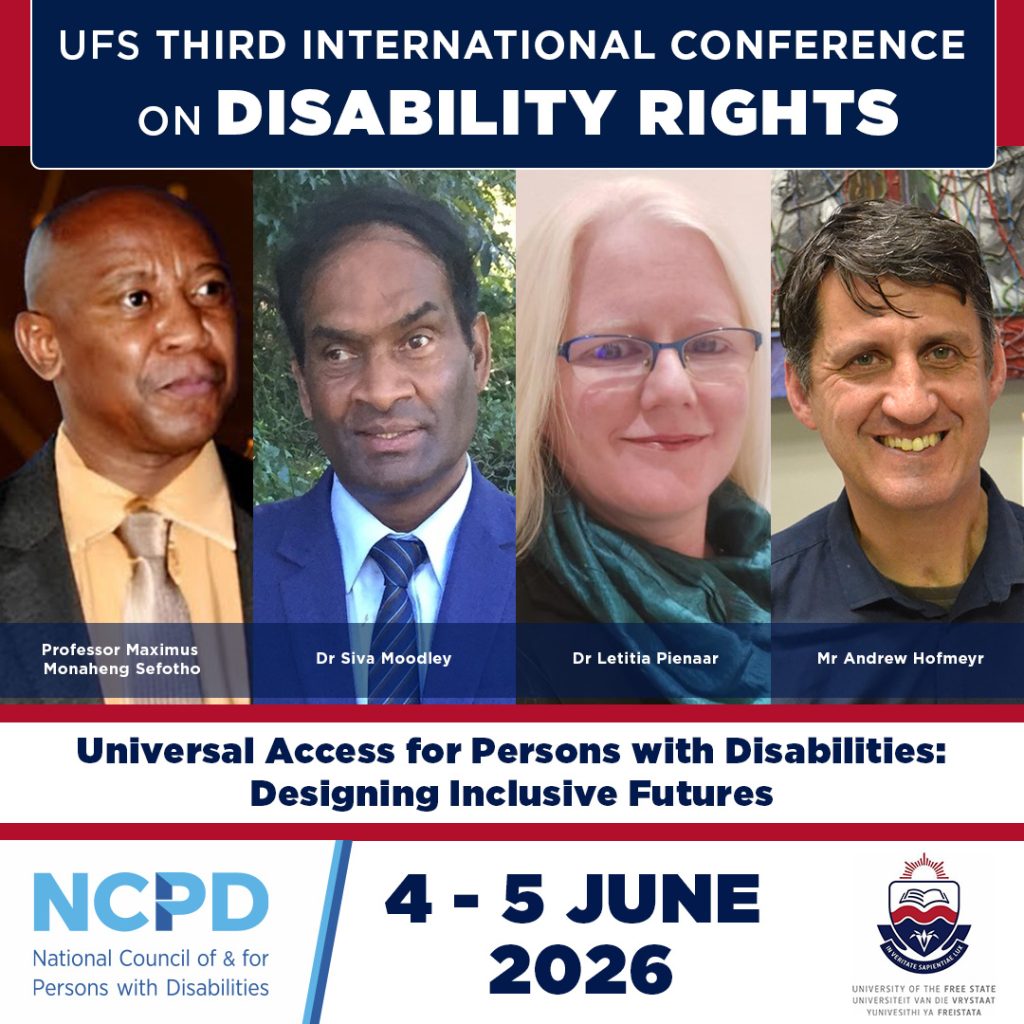
The Third International Conference on Disability Rights: UFS, Bloemfontein has come to a successful close!
Jun
The Third International Conference on Disability Rights: UFS, Bloemfontein 4-5 June 2026
Thank you to everyone who attended, participated, shared insights, and contributed to the important conversations on Universal Access for Persons with Disabilities: Designing Inclusive Futures.
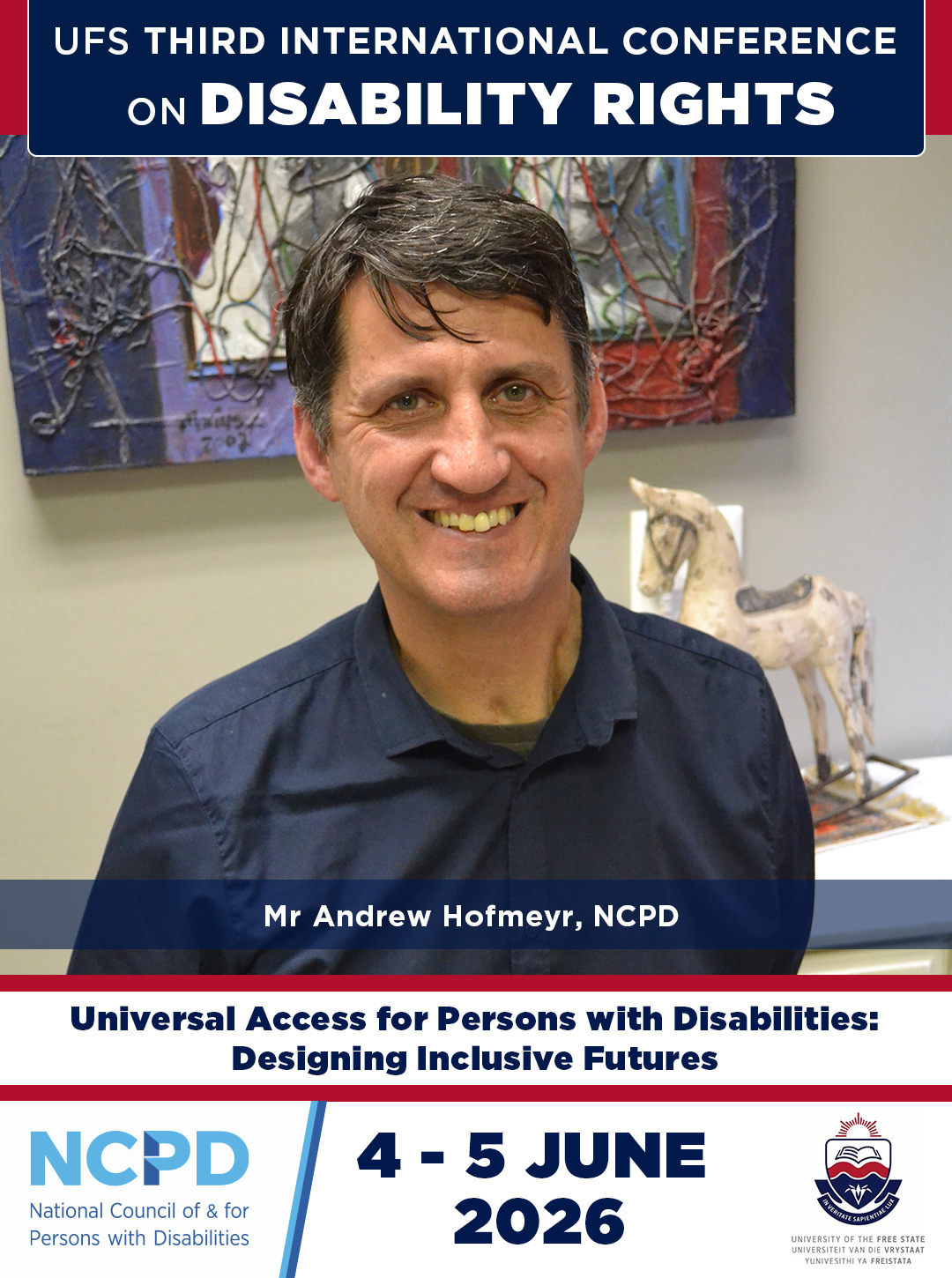
A special thank you to our colleagues, Dr Siva Moodley and Mr Andrew Hofmeyr, who proudly represented NCPD in person throughout the conference.
Law UFS Third International Conference on Disability Rights Programme 2026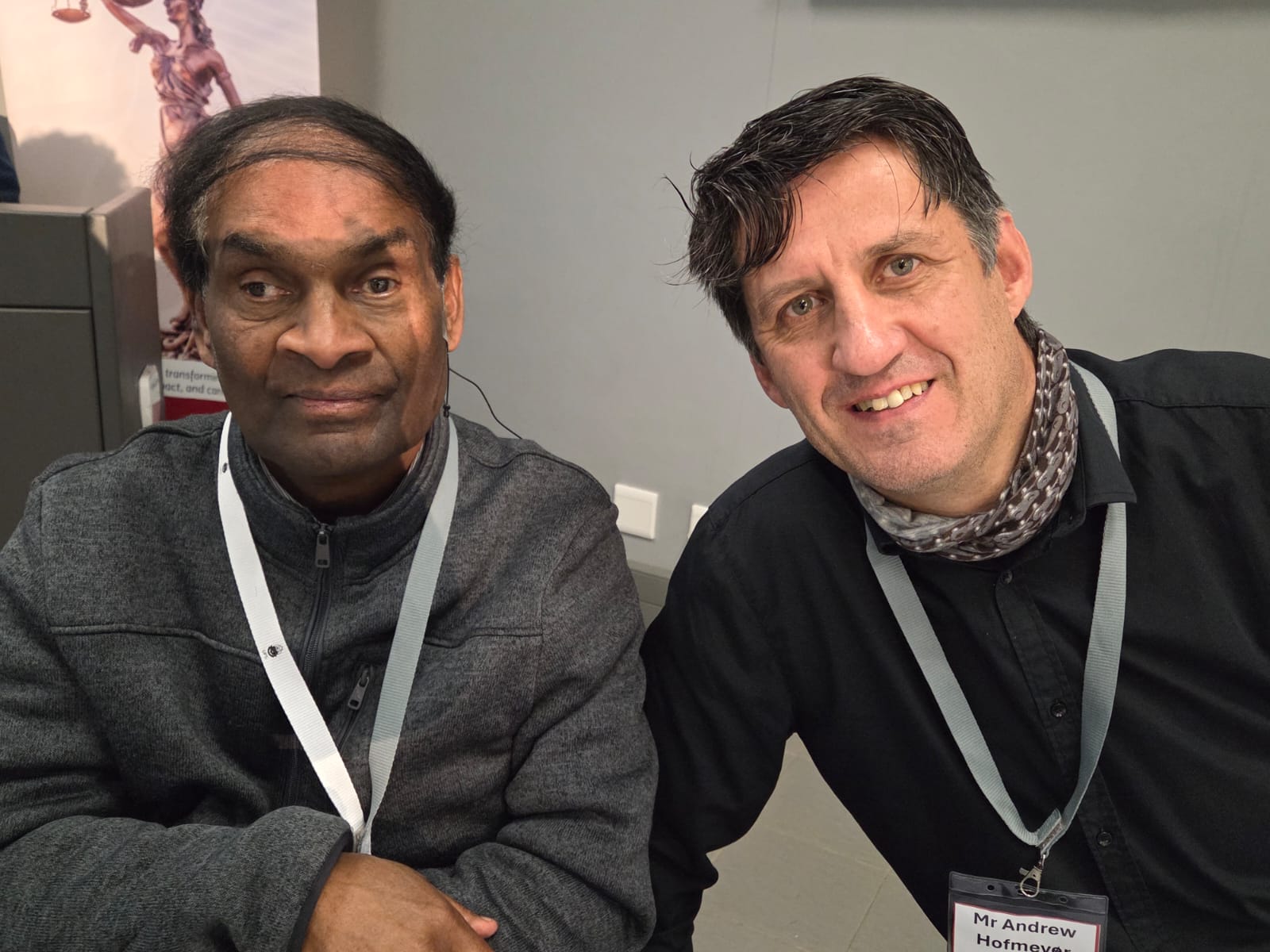
Andrew Hofmeyr (NCPD D20 Lead) and Dr Siva Moodley (D20 Research)
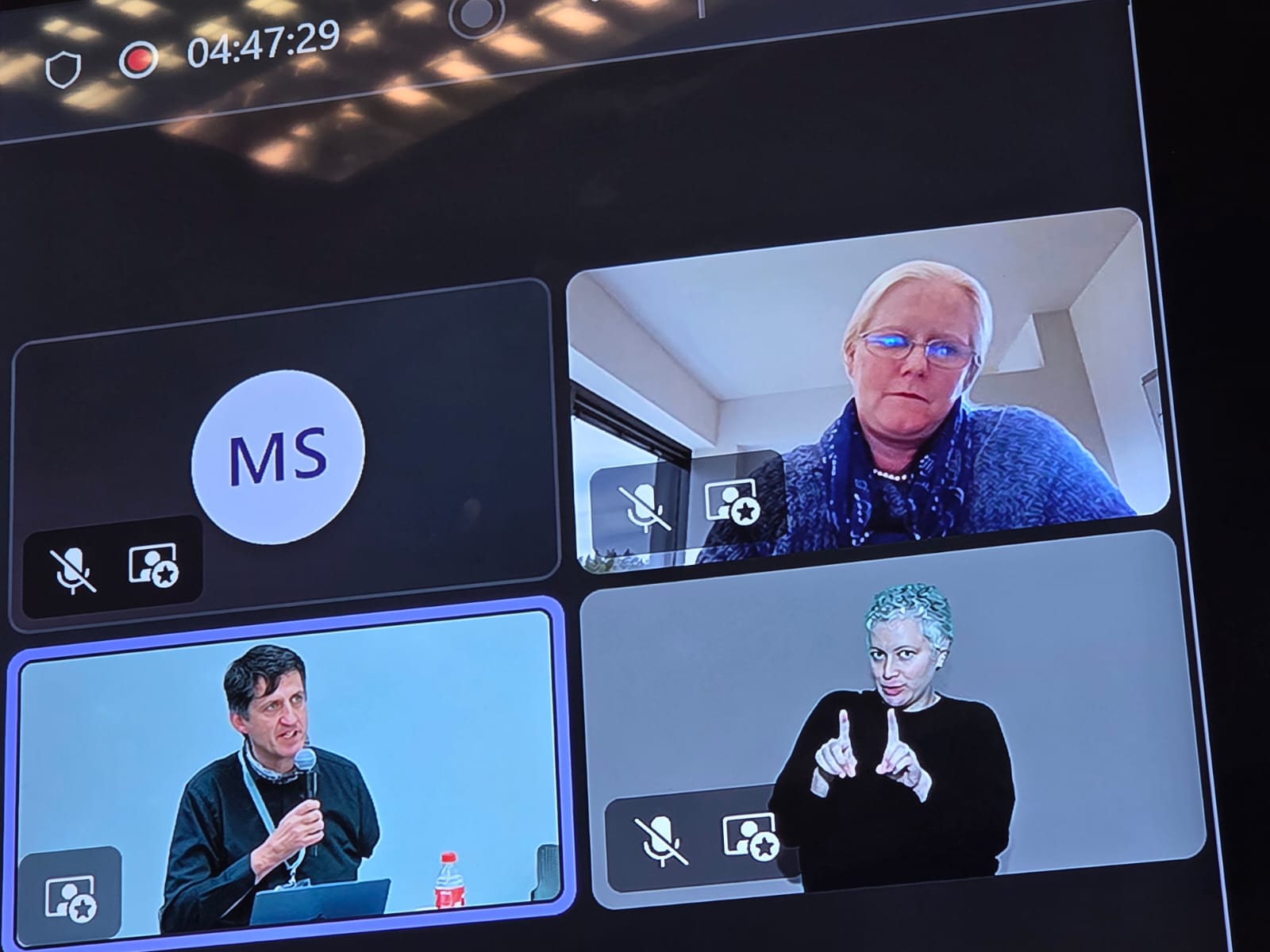
Joined virtually were Prof Maximus Sefotho (D20 Inclusive Education Lead) and Dr Letitia Pienaar (D20 Research)
We would also like to acknowledge Dr Erna van der Westhuizen for her leadership as D20 Research Lead, as well as Mr Lubabalo Mbeki for his valuable contribution to the project and its outcomes.
It was inspiring to see the D20 Project in action. We were proud to witness co-leaders and stakeholders sharing progress and driving meaningful discussions on disability inclusion. Particular attention was given to the outcomes of the Inclusive Education workstreams, which highlighted recommendations to government and Disabled Persons’ Organisations (DPOs), as well as key follow-up actions to support implementation.
We also extend our sincere appreciation to the University of the Free State for hosting this important event and for capturing so many memorable moments.
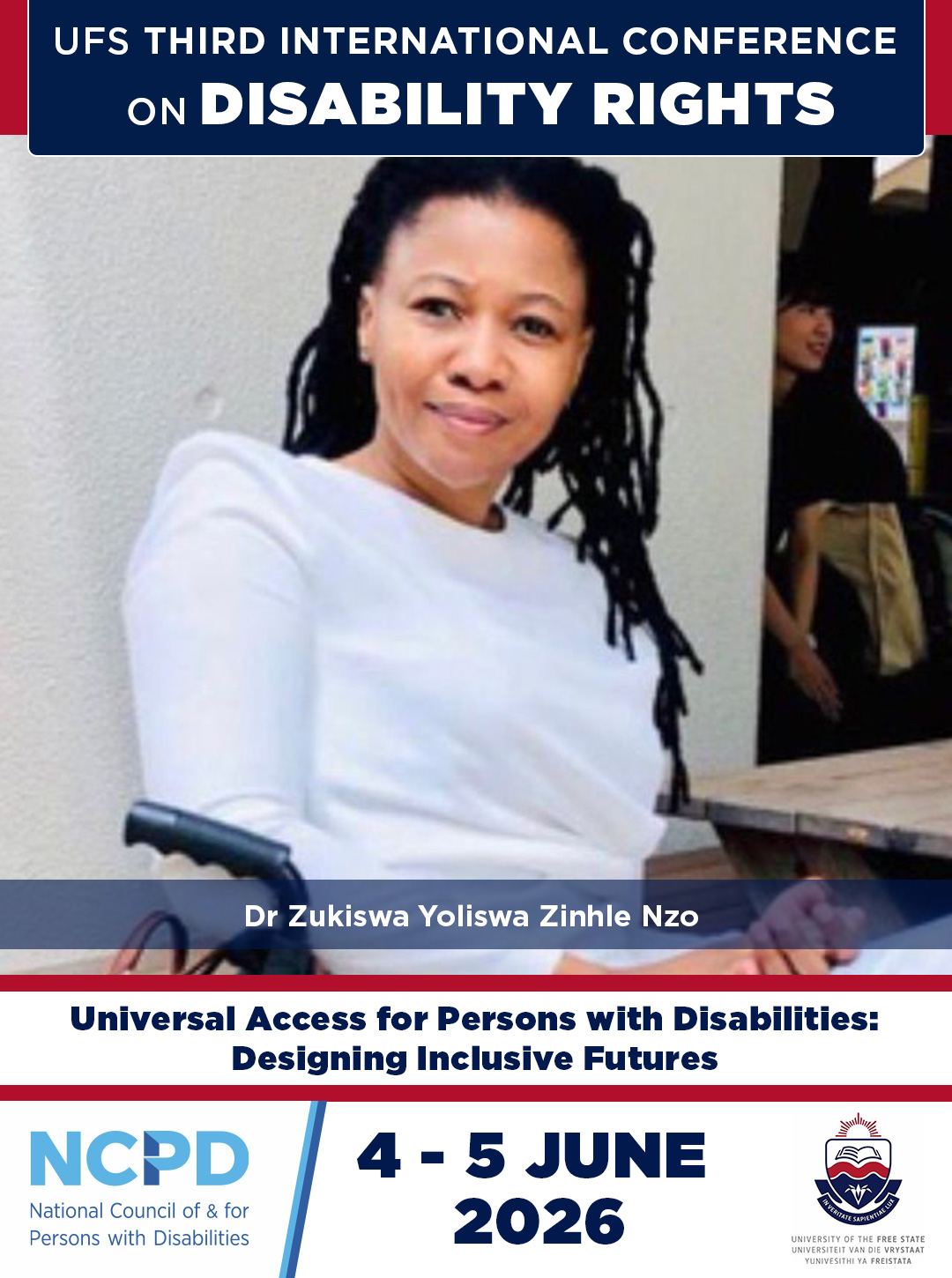
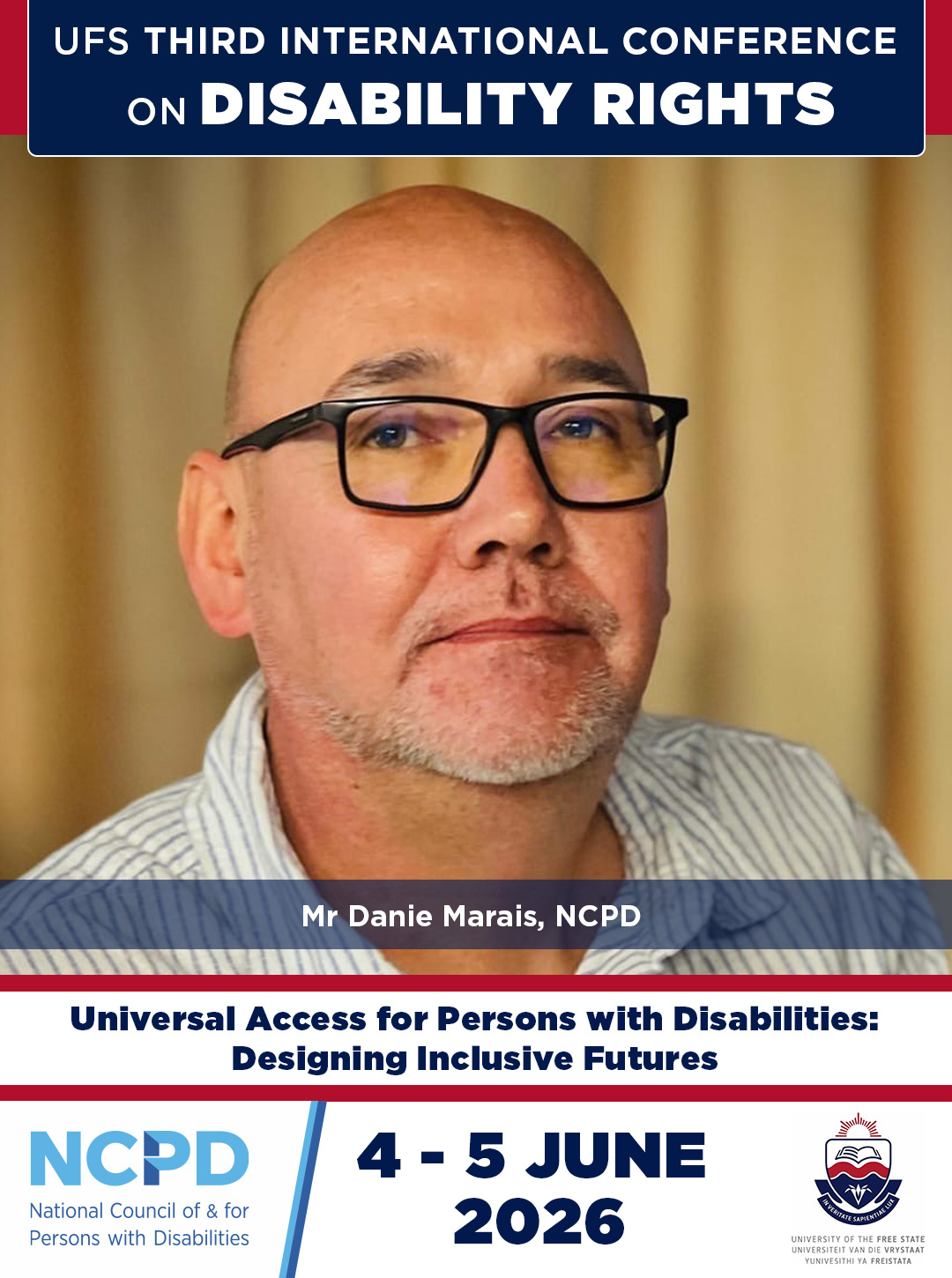
The Third International Conference on Disability Rights sought to move the conversation beyond compliance toward universal access as a driver of innovation, equality, and justice. The event reimagined accessibility not as accommodation for a few, but as a universal design principle that benefits society as a whole.
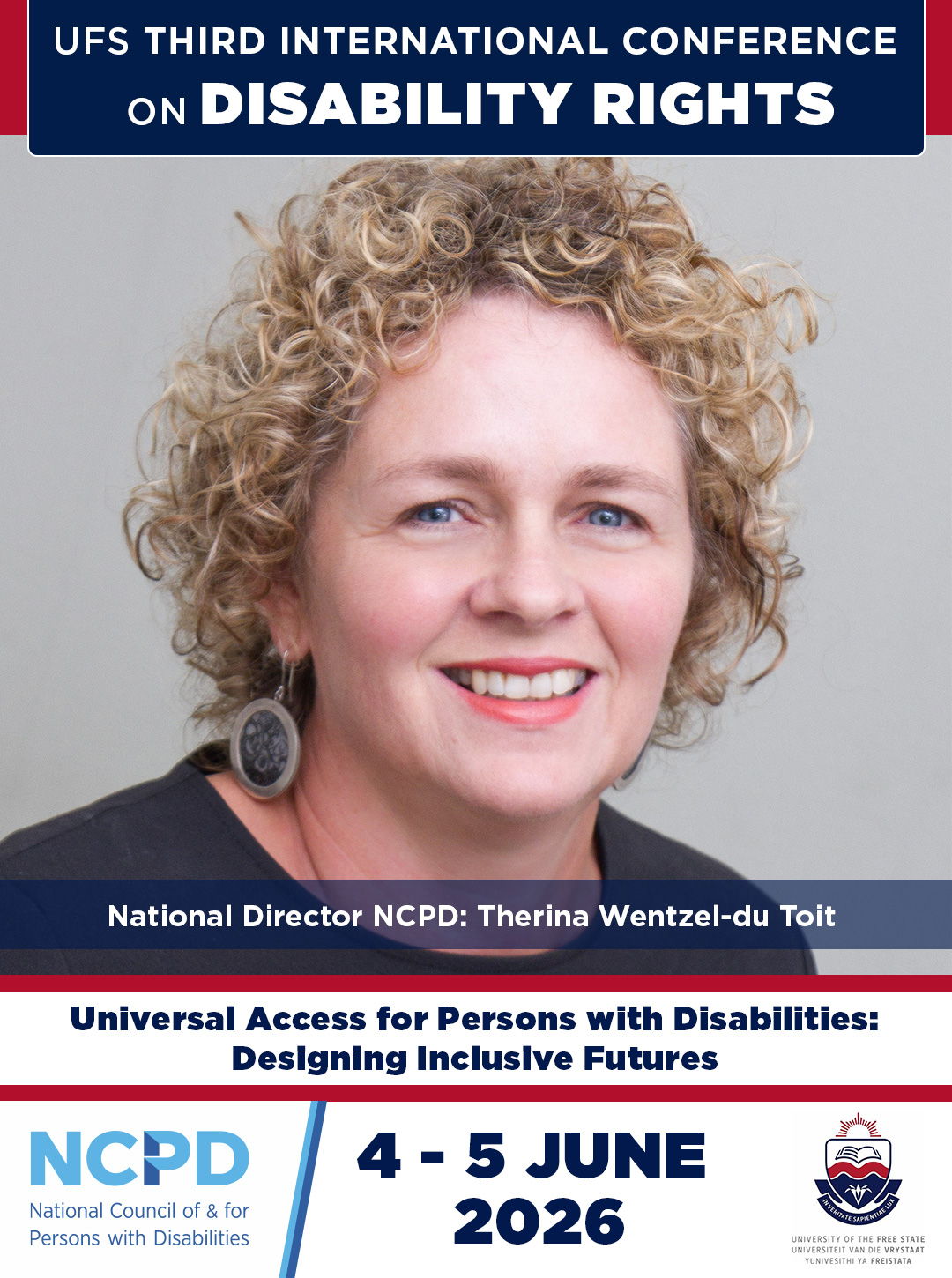
The conference engaged with the global framework of the United Nations Convention on the Rights of Persons with Disabilities (CRPD) and the Protocol to the African Charter on Human and Peoples’ Rights on the Rights of Persons with Disabilities in Africa (African Disability Protocol), connecting these instruments to the Sustainable Development Goals (SDGs), notably SDG 4 (Quality Education), SDG 8 (Decent Work and Economic Growth), SDG 10 (Reduced Inequalities), and SDG 11 (Sustainable Cities and Communities), which promote inclusion and empowerment for persons with disabilities and the pursuit of universal access.
The conference aimed to:
- Critically assess current policies, practices, and societal attitudes that shape accessibility and inclusion for persons with disabilities.
- Foster interdisciplinary dialogue on emerging issues, innovative solutions, and practical strategies for advancing disability justice and universal design.
- Build partnerships among academics, policymakers, practitioners, civil society, and representative organisations of persons with disabilities.
- Identify gaps in legal and policy frameworks and propose actionable recommendations for implementation at local, regional, and international levels.
- Highlight accessibility innovations, including technological, architectural, legal, and social innovations, that exemplify universal access in action.
- The programme centred on four pillars:
- Foundations of Rights and Social Change
- Legal Frameworks and Governance
- The Built and Digital Environment
- Life Stages, Community, Development and Economic Justice
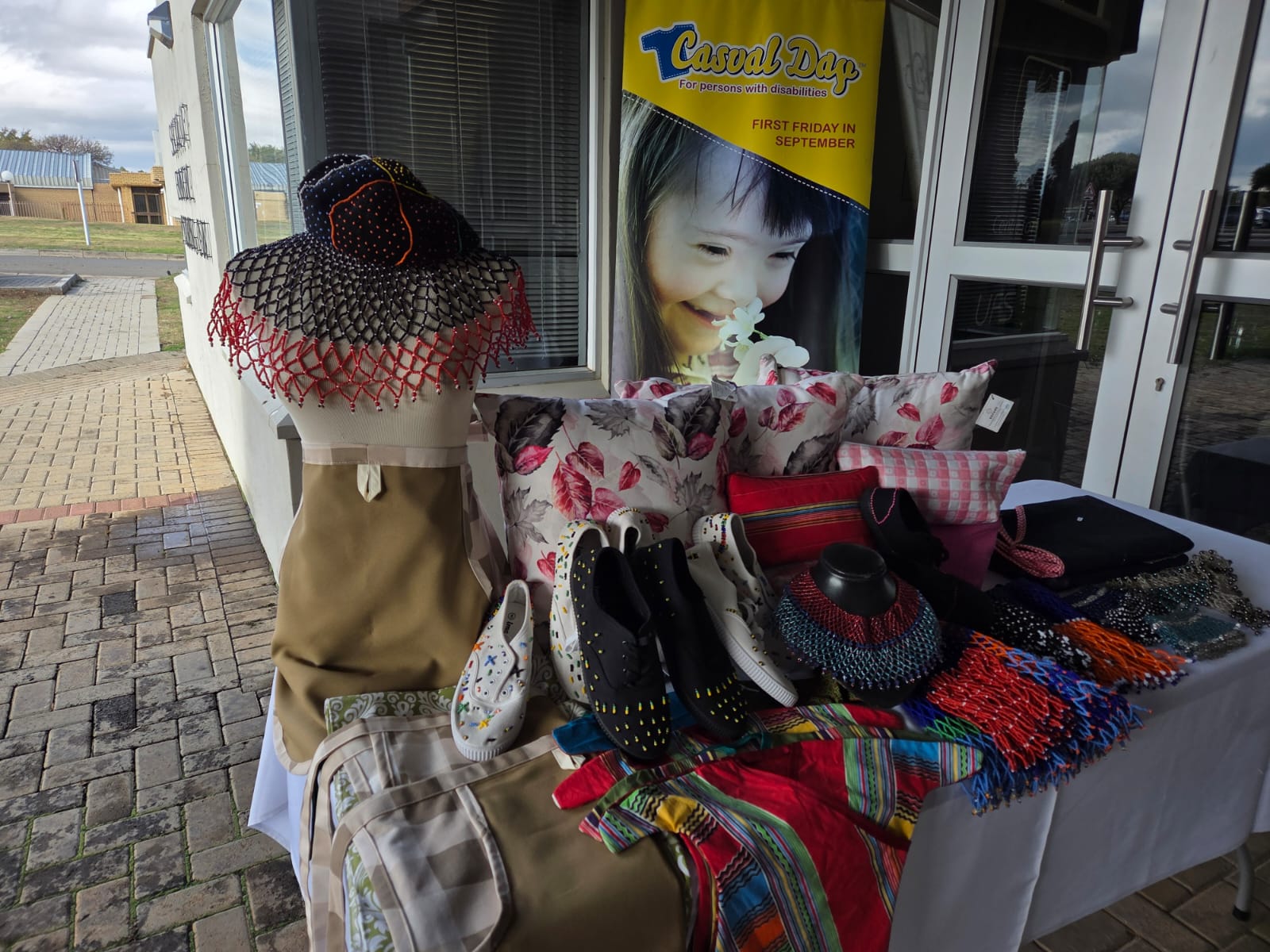
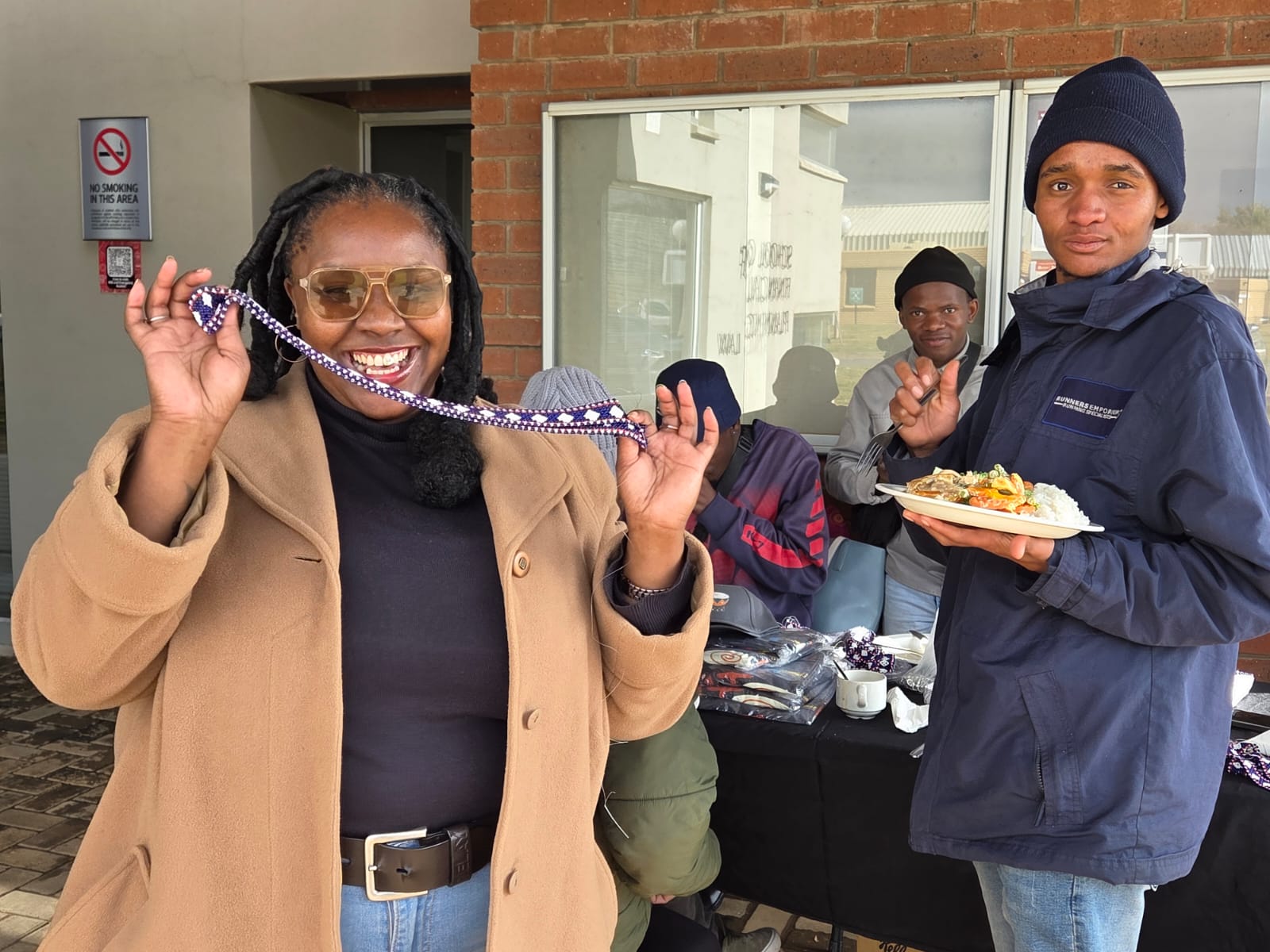
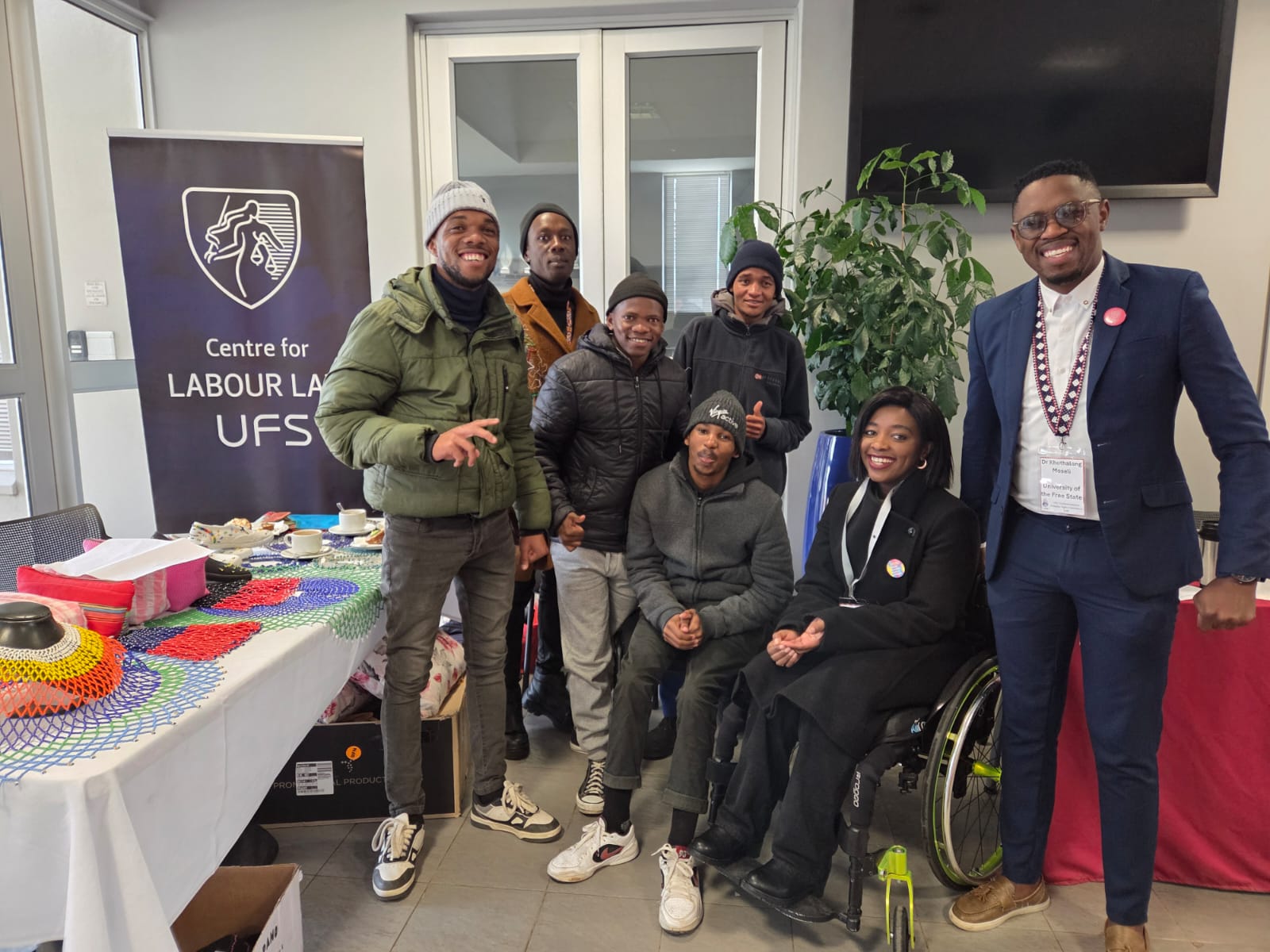
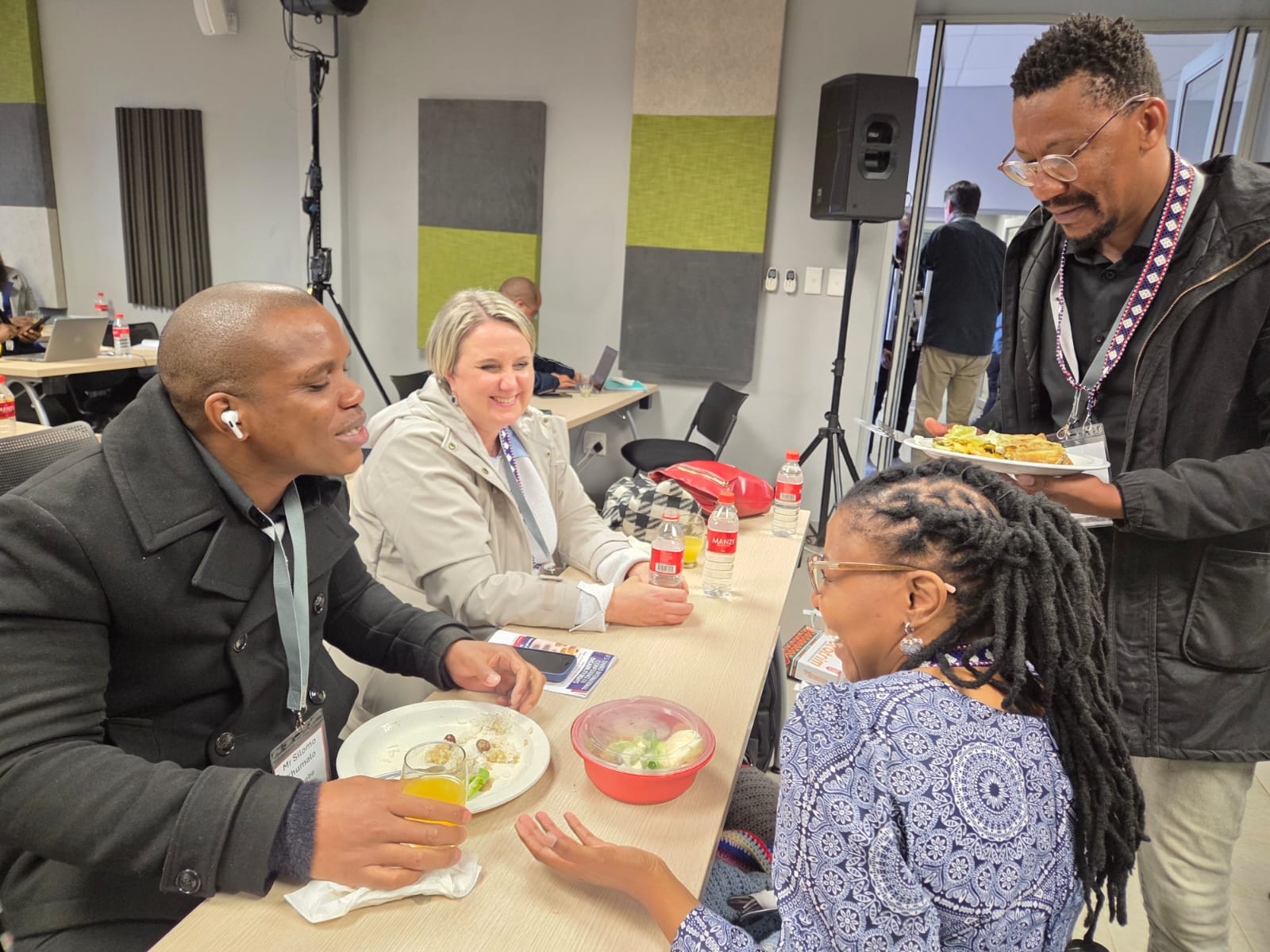
To view more photographs from the conference, visit gallery